Introduction
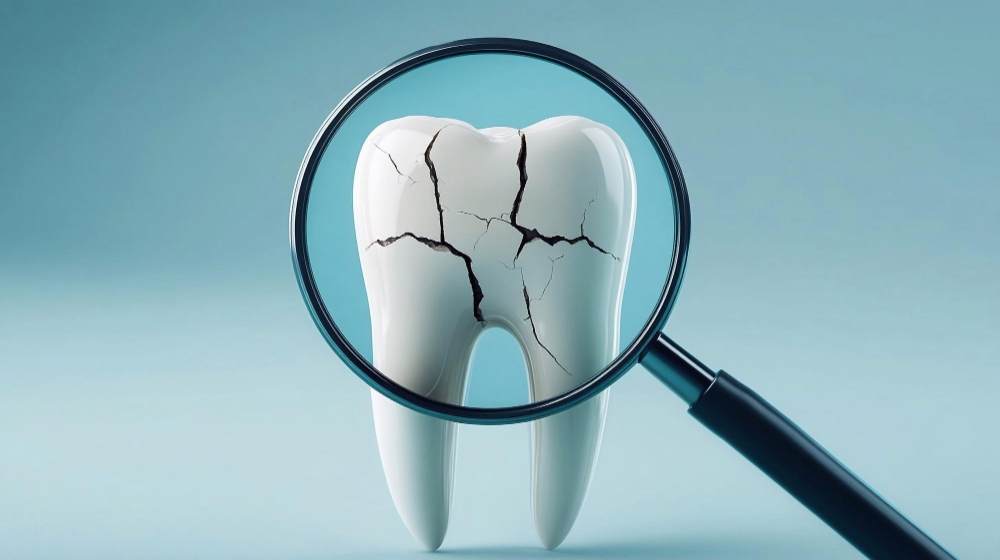
A cracked tooth can cause pain and other problems if not treated early. But what are the signs of a cracked tooth? Early detection is important because it helps prevent further damage. In many cases, people do not realize they have a crack until symptoms appear. Therefore, knowing what to watch for can help you protect your dental health. According to the American Dental Association, cracked teeth are a common reason for dental visits.
Key Symptoms of a Cracked Tooth
Recognizing cracked tooth symptoms early can make a big difference. Here are the main signs to look out for:
Additionally, you may notice that the tooth feels rough or sharp to your tongue. If you spot any of these signs of a cracked tooth, it is important to pay attention.
When to See a Dentist
It is important to act quickly if you notice cracked tooth symptoms. While mild pain may seem manageable, waiting can make things worse. For instance, a crack can grow deeper or lead to infection. You should see a dentist right away if:
Even if your symptoms are mild, it is still wise to get checked. Early care can prevent bigger problems later.
How Dentists Diagnose a Cracked Tooth
Once you visit the dentist, they will use several methods to find a crack. First, they will ask about your symptoms and examine your mouth. Next, they may use a special light or dye to spot cracks. Sometimes, they will take X-rays, although small cracks may not show up. In addition, your dentist might ask you to bite down on a tool to see if it causes pain. All these steps help your dentist find the problem and plan the right treatment.
Prevention Tips
While not all cracks can be avoided, you can lower your risk. Here are some simple tips:
By following these steps, you can help protect your teeth from cracks and other damage.
Conclusion & Call-to-Action
In summary, recognizing the signs of a cracked tooth helps you act quickly. Early symptoms like pain, sensitivity, or swelling should not be ignored. If you notice any of these, consult a dentist promptly at Bharath Surya Dental Clinic for accurate diagnosis and personalized treatment.