Braces: Types, Benefits, Procedure, and Care Tips for a Healthy Smile

What Are Braces?

Braces are dental devices that help straighten teeth and fix bite problems. Many people, both adults and teens, use braces to improve their smile. In fact, braces work by gently moving teeth into the right position over time. Dentists and orthodontists often recommend braces for crowded, crooked, or spaced teeth. Because braces are common, you may know someone who has them.

Types of Braces

There are several types of dental braces. Each type has its own look and benefits. Let’s explore the most popular options:

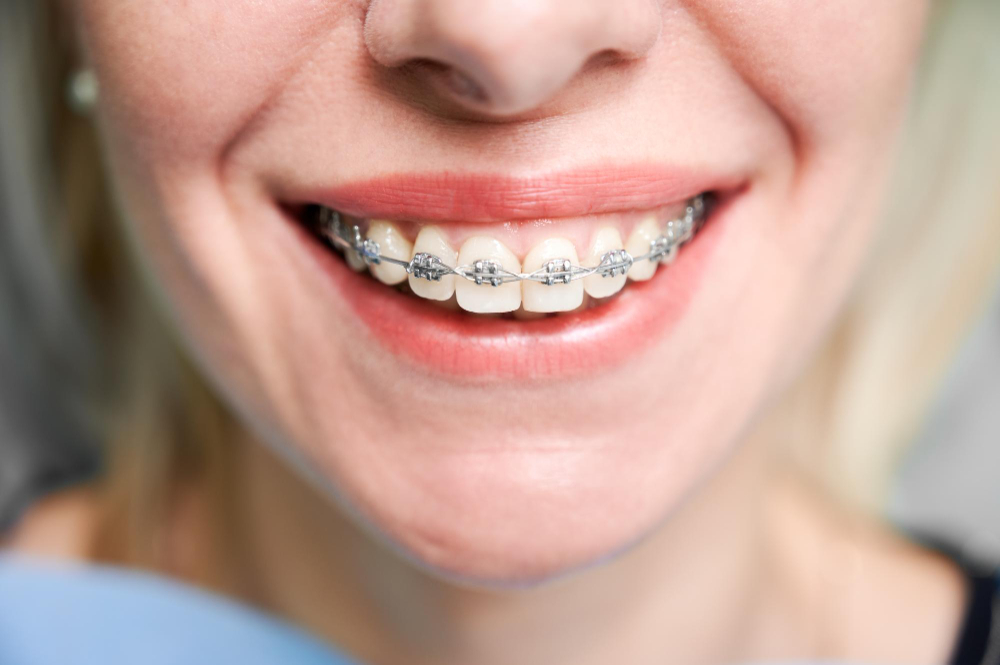
  • Metal Braces: These are the classic silver braces. They use metal brackets and wires. Metal braces are strong and work well for most cases.
  • Ceramic Braces: These braces use clear or tooth-colored brackets. As a result, they are less noticeable than metal braces.
  • Lingual Braces: These braces attach to the back of your teeth. Because of this, they are hidden from view.
  • Clear Aligners: These are clear, removable trays. Invisalign is a well-known brand. Clear aligners are popular with adults and teens who want a nearly invisible option.
  • Each type of braces has pros and cons. Therefore, your dentist can help you choose the best one for your needs.

    Benefits of Braces

    Braces offer many benefits beyond a straight smile. For example, they can:

  • Improve how your teeth fit together (your bite)
  • Make it easier to clean your teeth
  • Lower the risk of tooth decay and gum disease
  • Boost your confidence and self-esteem
  • Help with speech or chewing problems
  • Because braces fix dental issues, they can also prevent future problems.

    The Procedure for Getting Braces

    Getting braces is a step-by-step process. Here’s what you can expect:

  • Consultation: First, your dentist or orthodontist checks your teeth and takes X-rays.
  • Treatment Plan: Next, they discuss the best type of braces for you.
  • Placement: Then, the dentist attaches the braces or gives you your first set of aligners.
  • Adjustments: After that, you visit the clinic every few weeks for check-ups and adjustments.
  • Removal: Once your teeth are straight, the dentist removes the braces or aligners.
  • Retainer: Finally, you may need to wear a retainer to keep your teeth in place.
  • Each step is important for the best results. Usually, the whole process takes one to three years, but this can vary.

    Common Concerns and FAQs

    Many people have questions about braces. Here are some common concerns:

  • Do braces hurt? You may feel mild pain or pressure after adjustments. However, this usually goes away in a few days.
  • Can adults get braces? Yes, adults and teens can both benefit from braces.
  • Will I have trouble eating? At first, you may need to eat soft foods. Soon, you can eat most foods with care.
  • How do braces work? Braces use gentle pressure to move teeth slowly into the right spot.
  • Are braces expensive? The cost depends on the type and length of treatment. Many clinics offer payment plans.
  • If you have more questions, your dentist can explain what to expect.

    Care and Maintenance Tips for Braces

    Proper care helps you get the best results from your braces. Here are some helpful braces care tips:

  • Brush your teeth after every meal to remove food and plaque.
  • Use a soft toothbrush and fluoride toothpaste.
  • Floss daily with special floss or a floss threader.
  • Avoid sticky, hard, or chewy foods that can damage braces.
  • Wear a mouthguard if you play sports.
  • Visit your dentist or orthodontist for regular check-ups.
  • Because good care prevents problems, you should follow your dentist’s advice closely.

    Expected Results and Duration

    Most people wear braces for one to three years. However, the exact time depends on your dental needs. After braces come off, your teeth should look straight and feel comfortable. You may need to wear a retainer to keep your teeth in place. With proper care, the results can last a lifetime.

    Prevention of Complications

    While braces are safe, problems can happen if you do not care for them. To prevent issues:

  • Keep your teeth and braces clean every day
  • Follow your dentist’s instructions
  • Report any pain, loose wires, or broken brackets right away
  • Do not skip your dental appointments
  • Because prevention is key, small steps can help you avoid bigger problems.

    Conclusion

    Braces can help you achieve a healthy, beautiful smile. Whether you choose metal, ceramic, lingual, or clear aligners, the right care and guidance are important. For more details or to start your journey, consult a qualified dentist or orthodontist at Bharath Surya Dental Clinic for personalized advice on braces.