What Are Dentures?
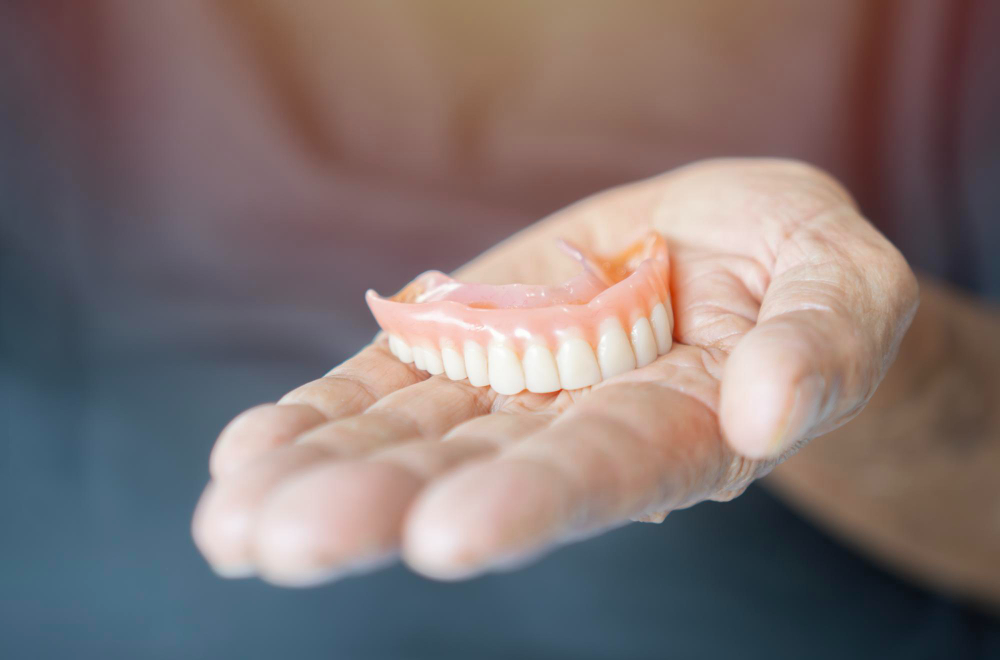
Dentures are removable devices that replace missing teeth. Many people choose dentures to restore their smile and chewing ability. In fact, dentures can help you eat, speak, and smile with confidence. For those seeking affordable dentures options, there are many choices available today. Dentures are made to look and feel like natural teeth. They fit comfortably in your mouth and are custom-made for each person. According to the World Health Organization (WHO), dentures improve quality of life for many adults.
Types of Dentures
There are several types of dentures. Each type serves a different need. Let’s look at the main options:
Each type has its own benefits. Your dentist will help you choose the right one for your needs.
Benefits of Dentures
Dentures offer many advantages. For example, they restore your ability to chew food. This helps you enjoy a wider range of meals. Also, dentures improve your speech by filling gaps in your mouth. As a result, you may feel more confident in social settings. In addition, dentures support your facial muscles. This can prevent your face from looking sunken or older. Finally, affordable dentures options make it easier for many people to access dental care.
How Dentures Are Fitted
The process of getting dentures involves several steps. First, your dentist will examine your mouth and take measurements. Next, they may take X-rays to check your jaw and gums. Then, a dental lab creates a model of your mouth. This helps ensure a good fit. After that, you will try on a sample denture. Your dentist will make adjustments as needed. Once the fit is right, you receive your final dentures. The whole process may take a few weeks. However, your dentist will guide you at every step.
Care and Maintenance Tips
Proper care keeps your dentures clean and lasting longer. Here are some easy tips on how to clean dentures:
With these steps, you can keep your dentures in top shape.
Common Challenges and Solutions
Some people face challenges with new dentures. For instance, you may feel soreness or have trouble speaking at first. However, these issues often improve with time. Here are some common problems and solutions:
If problems persist, your dentist can offer solutions.
Prevention of Oral Issues with Dentures
Even with dentures, you need to care for your mouth. Good habits help prevent gum disease and infections. For example, clean your dentures and mouth daily. Also, avoid sticky or hard foods that may damage dentures. In addition, regular dental visits help catch problems early. According to the Centers for Disease Control and Prevention (CDC), oral care is important for everyone, including denture wearers.
When to Consult a Dentist
It is important to see your dentist if you notice any of these signs:
Regular check-ups help keep your mouth and dentures healthy. Early care can prevent bigger problems later.
Conclusion
Dentures can restore your smile and improve your quality of life. With the right care, they last for many years. If you have questions or need help, consult a dental specialist at Bharath surya dental for personalized advice on dentures.